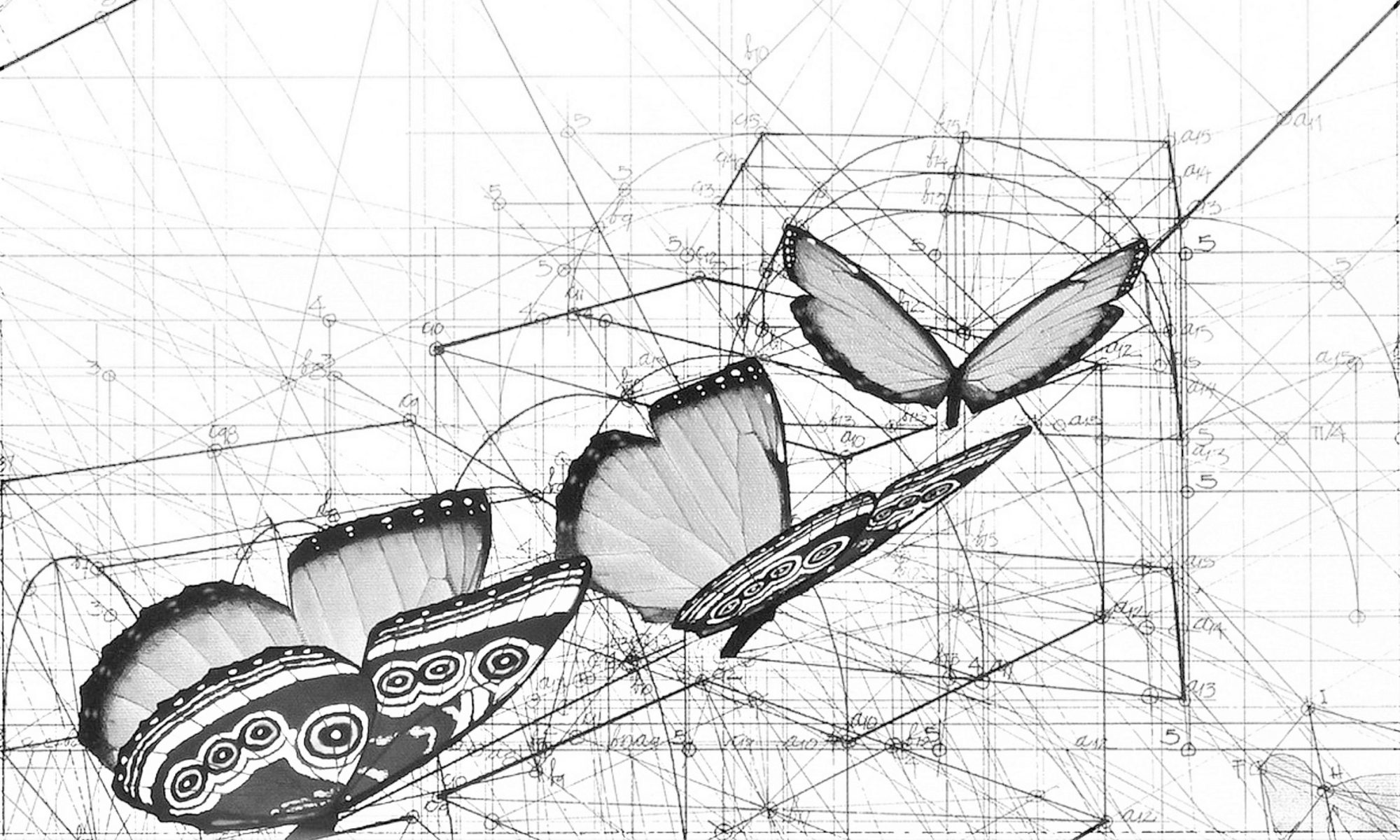
biomechanical design:

FUNCTION

biomechanical product development and validation.

ETYMOLOGY

from the Ancient Greek βίος bios "life" and μηχανική, mēchanikē "mechanics", referring to the mechanical principles of living organisms, particularly their movement and structure; combined with design, originates from the Latin word "designare", which means to devise, encompassing the planning or making of objects or systems.

DEFINITION

integration of principles from mechanical engineering and biology to analyze, mimic, and enhance the movement and function of living organisms, particularly in relation to the design of equipment, devices or systems that optimize physical performance and reduce disconfort and injury risk.

LAB

our focus is on enhancing the capabilities of the musculoskeletal system through minimally invasive or non-pharmacological methods.

bioMd stands for bioMechanical design, but also for bioMimetic design, bioMultiphysics design, bioMultibody design and bioMulti-scale design, and even bioMechatronics design. The core of our methodology lies in the use of multiphysics approaches, integrating Computer-Aided Ergonomics, Multiscale and Multibody Analysis, and Coupled Physics Modelling.

NOW

we are developing the following research lines:

1. Rehabilitation & Assistive Systems Engineering
 Soft robotics, artificial muscles, health technologies, and smart orthoses for personalized rehabilitation, recovery support, injury prevention, movement restoration and strength augmentation.

2. Digital Human Modeling and Simulation
 Multiphysics and multiscale simulation, computer-aided ergonomics, and in-silico clinical trials for human-device interaction and tissue response analysis.

3. Bioinspired Design and Sport Equipment
 Biomimetic system development and biomechanical optimization for sports equipment performance enhancement and injury reduction.

4. Human Factors and Ergonomic Engineering
 Investigation of workplace musculoskeletal disorders, inclusive design, dimensional reconfiguration, and wellbeing technologies for occupational health and strain reduction.

5. Micro-Nano Biomechanical Systems
 Microrobots and electro-mechanotherapy devices for targeted therapy, minimally invasive diagnostics, optimized drug delivery, and non-pharmacological treatments such as tissue stimulation for pain relief and neuromodulation.

6. Space Health and Extreme Environment Biomechanics
 Biomechanical strategies for sustaining human health and performance in microgravity and harsh conditions, including countermeasures for musculoskeletal degeneration, human-factor design for dexterity and trauma resilience, and adaptive systems for emergency medicine and equipment optimized for extreme temperatures, low-gravity, and high-altitude environments.

visiting Professors and Postdocs seats are available. Candidates looking for a PhD or Master in the above-mentioned lines are welcomed to contact Dr Lorenzo Garcia, sending a motivation letter and a CV. International students (for instance, European Erasmus, France, Germany, etc.) looking for internships overseas are also welcome to engage in some research projects.

* scholarships: available at [Link]
bioMd. lab was founded in 2018 by Dr Lorenzo Garcia. It is currently stablished as a research group within the School of Engineering at the Auckland University of Technology (AUT) with connections with several Labs/Groups within AUT but also worldwide such as: the Health and Rehabilitation Research Institute, the Center for Ergnonomics and Medical Technology, and the Institute of Biomedical Technologies, to name a few.
bioMd © 2018-2026 / Lorenzo Garcia
 bioMd
bioMd 